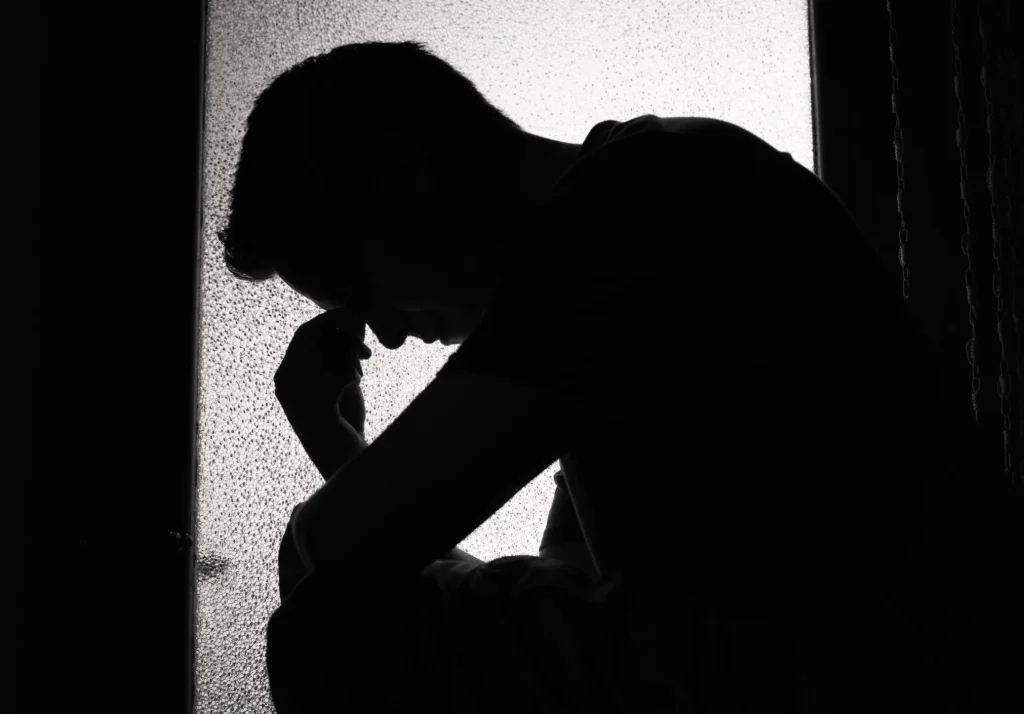
Most people don’t expect this kind of story. When we think of rape, we almost always picture a male perpetrator and a female victim. But what happens when the roles are reversed? What happens when a man is raped—by a woman—and the world refuses to call it what it is? That’s exactly what Laurence Neal Pokras brings to the surface in his jaw-droppingly honest memoir, My Socially Hazardous Life: Book 3. And he doesn’t whisper it. He says it loud, clear, and without shame: I was raped by a woman. And nobody wanted to talk about it. This is not a typical confession. It’s not polished, not sanitized, and definitely not easy to read. But that’s the point. Pokras doesn’t write to comfort you. He writes to expose the things society would rather ignore—like the idea that women, too, can be sexual predators. And when it happens to men, the response isn’t sympathy or justice—it’s usually laughter, confusion, or silence.
In one of the most disturbing yet revealing chapters of the book, Pokras recounts his experience with an older woman—a beautiful, wealthy Thai restaurant owner who was admired by everyone, including Pokras’s own parents. He was young, just 24, back living at home after college, still trying to figure life out. She was seductive, confident, and knew exactly how to manipulate a situation. What started as flirtation turned into something far more complicated—and strongly violating. He describes how she performed oral sex on him without his consent, and when he tried to pull away, she ignored him. She then mounted him without a condom, ignoring his repeated pleas to stop. All this, mind you, happened in her Mercedes, parked outside his parents’ home—at 2 a.m.—while the porch lights flipped on and his father began walking down the driveway. The emotional confusion, the loss of control, and the sense of humiliation were all there. And yet, as Pokras writes, he “wasn’t too happy about being raped.” A line that says everything—and yet will be misunderstood by many.
Because here’s the reality: when a man says he was raped by a woman, people don’t believe him. Or worse, they dismiss it as “lucky” or “harmless.” Pokras captures this cultural blindness with brutal clarity. He even jokes darkly, telling his father, “Hey, I just got raped by the most attractive Thai woman in Long Beach!” The humor is a shield—but the pain is very real. Through his unique storytelling style—part stand-up comedy, part emotional purge—Pokras breaks down this incredibly taboo subject. And he’s not asking for pity. He’s asking for recognition. For understanding. For the world to stop pretending male sexual abuse doesn’t exist unless it fits a narrow stereotype. In his own words, Pokras says the focus of his work is “the boldness to tell the suppressed and confront taboo topics—abuse, trauma, religion, and male vulnerability.” This chapter alone is a direct hit to all of that. And what makes it so powerful is not just what happened, but how society reacts—or rather, doesn’t react—when men try to talk about it.
Pokras writes, “Our society never talks about these women who seduce and rape men. Never… ever…” And he’s right. When a woman sexually violates a man, it’s rarely labeled as assault. The double standard is enormous. Women are seen as passive, nurturing, incapable of causing sexual harm. But this false image leaves many male victims without a voice—and worse, without support. The memoir doesn’t just dwell in that one experience. It uses it to open a larger conversation. Pokras reflects on the way he was raised—to respect women, to never take advantage of them, to be a gentleman even when broke and living in a studio apartment. He contrasts this with men he knows—like his brother-in-law—who proudly brag about using women for sex and money. This comparison makes his experience even more painful. He was raised right. He followed the rules. And yet, he still ended up being used and discarded by someone who held all the power. And this power imbalance—where the woman is older, wealthier, and socially admired—mirrors the dynamics we so often hear about in male-on-female abuse cases. But when the genders are reversed, no one seems to care.
Pokras doesn’t ask you to cry for him. Instead, he asks a much harder thing: to believe him. To listen. And to stop laughing when stories like his come up. Because if a man like Laurence—confident, successful, outspoken—can be violated and silenced, then what about the countless others who don’t even have the words? And that’s what makes My Socially Hazardous Life: Book 3 so vital. It doesn’t tiptoe around truth. It stomps on it. It pulls out stories society tries to shove under the rug and lays them bare. With humor, yes—but also with clarity, courage, and pain. This isn’t just one man’s therapy session. It’s a cultural wake-up call.